In the world of thermoforming, controlling temperature is critical. Understanding how to control temperature in thermoforming processes directly impacts the quality of final products. Thermoforming involves heating plastic sheets and shaping them into desired forms. Achieving the right temperature can determine success or failure. Inconsistent heating may lead to warping or defects.
To effectively manage temperature, manufacturers can employ various methods. These could include using advanced temperature control systems, cooling channels, and infrared heaters. Each of these techniques has its advantages and challenges. For instance, cooling channels can efficiently regulate temperature but require precise engineering.
However, it is essential to remember that no method is flawless. Often, even the best controls can face unexpected fluctuations. Sometimes, equipment malfunctions or variations in material properties occur. Addressing these issues involves ongoing evaluation and adaptation. By understanding and reflecting on these challenges, businesses can continue to improve their thermoforming processes.
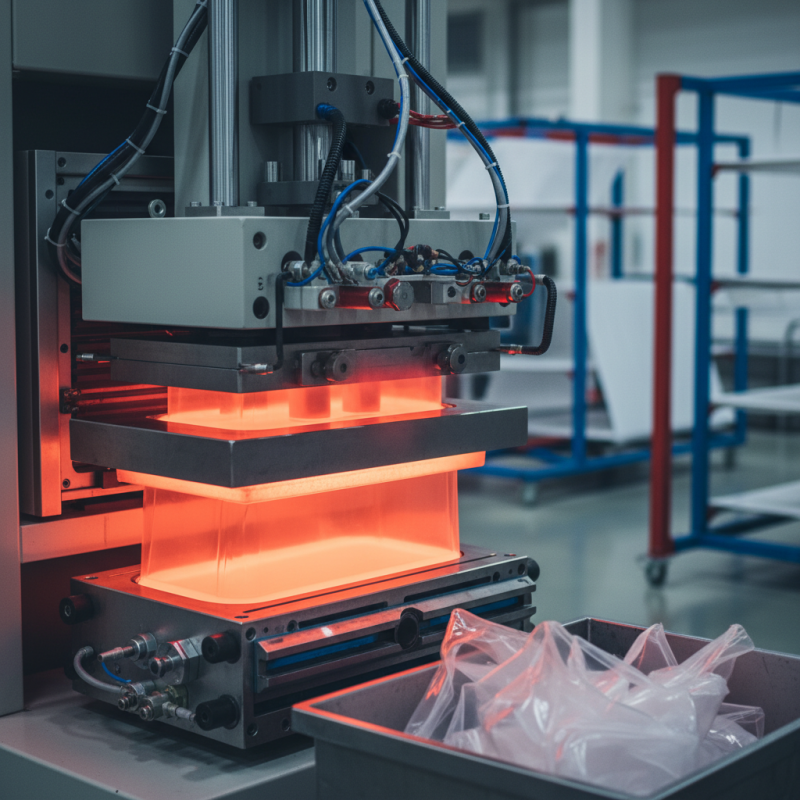
Overview of Temperature Control in Thermoforming Processes
Temperature control in thermoforming processes is crucial for achieving optimal results. Proper temperature management directly affects the material’s behavior during shaping. Overheating can lead to material degradation, while insufficient heat can cause incomplete forming. Understanding the specific temperature profiles for different materials is essential for successful thermoforming.
Several methods exist for maintaining temperature control. One effective approach is using infrared heaters, which deliver targeted heat. This technique allows for quick temperature adjustments. Additionally, employing temperature sensors can provide real-time data. This data helps in making quick, informed decisions on heating rates and dwell times. However, relying solely on automated systems can lead to oversight. Operators should remain engaged to catch any anomalies.
Experimentation remains an important aspect of refining temperature control techniques. Each project may require unique adjustments. Sometimes what works for one setup may not be effective for another. Documenting these variations can provide valuable insights for future processes. Continuous learning through trial and error is key in optimizing thermoforming outcomes.
Common Temperature Challenges in Thermoforming
Temperature control is critical in thermoforming processes. Inconsistent temperatures can lead to defects like warping, thin spots, and uneven finishes. These issues not only affect product quality but also increase production costs. Identifying common temperature challenges is essential for achieving consistent results.
One common challenge is uneven heating across the material. Different thicknesses can absorb heat differently. This variation can impact the forming quality. A solution is to utilize a heating system with zoned control. This allows for targeted heating, ensuring all areas of the material reach the desired temperature.
Another challenge is maintaining temperature during the forming process. Molds can cool quickly, affecting the final product. A useful tip is to preheat molds when possible. This practice minimizes temperature drops and improves the quality of the formed product.
In addition, be aware of the environmental factors. Ambient temperature and humidity can affect heating performance. Monitoring these variables helps in adjusting the heating elements accordingly. Consistent evaluation of your thermoforming setup can lead to better outcomes.
Techniques for Effective Temperature Control
Controlling temperature in thermoforming processes is critical for achieving optimal material performance. Accurate temperature regulation ensures uniform heating, which leads to better forming and reduces material stress. Industry reports indicate that improper temperature settings can increase scrap rates by up to 30%. Therefore, implementing effective temperature control strategies is essential.
One effective technique is using infrared heating elements. These elements provide precise temperature adjustments. They quickly raise the temperature of the material, reducing cycle times. Another method involves employing advanced thermal imaging cameras. These cameras monitor material temperature in real-time, allowing for immediate adjustments. Studies show that real-time monitoring can lead to a significant decrease in energy consumption, improving overall process efficiency.
Integrating data analytics into temperature control systems can yield valuable insights. Analyzing historical temperature data helps identify patterns and optimize heating profiles. However, reliance on algorithms may overlook nuanced variations in material behavior. The challenge lies in balancing automation with hands-on expertise. Operators must continually refine their understanding of material properties to complement technological advancements. This holistic approach ensures robust temperature control in thermoforming.
2026 Best Ways to Control Temperature in Thermoforming Processes
This bar chart depicts the effectiveness of various techniques used to control temperature during thermoforming processes. The data represents different methods and their corresponding effectiveness ratings based on industry feedback.
Advanced Technologies for Temperature Management
In thermoforming processes, temperature control is crucial for achieving high-quality results. Advanced technologies enhance temperature management, ensuring optimal forming conditions. Infrared heating systems have gained popularity for their rapid and precise heating capabilities. Reports indicate that these systems can reduce heating time by up to 40%, promoting efficiency.
Another promising technology is the use of closed-loop temperature control systems. These systems adjust heating based on real-time feedback, maintaining precise temperature levels. According to industry research, closed-loop systems can improve product consistency by 30%. However, integrating these technologies requires an understanding of setup complexities and initial investment.
It’s essential to consider the challenges involved. Not all materials respond uniformly to temperature variations. Variations may lead to defects, necessitating constant monitoring and adjustments. While advanced systems provide clear advantages, the implementation process can be daunting and requires further refinement. Continuous learning in temperature strategies remains vital for professionals in the field.
Best Practices for Optimizing Thermoforming Temperatures
Optimizing temperatures in thermoforming processes is crucial for product quality and efficiency. The ideal temperature can vary based on material types. A study by the Society of Plastics Engineers shows that optimal heating improves material flow, reducing defects by up to 30%. Maintaining precise control over heating zones ensures uniform distribution, which can significantly enhance the end product's integrity.
Operators should regularly calibrate their temperature sensors. Inaccurate readings can lead to overheating or underheating, directly impacting the final product. Even slight deviations can cause issues such as warping or incomplete forming. Data highlights that 15% of production defects arise from improper temperature settings. This emphasizes the need for stringent monitoring.
Using advanced thermal imaging technology can improve accuracy. This method provides real-time feedback on temperature variations throughout the sheet. Reports indicate that facilities employing this technology see a 20% reduction in scrap rates. However, reliance on technology should not overshadow the importance of skilled personnel. Training is essential to interpret data properly and make informed adjustments. Balancing tech use with hands-on expertise is a challenge that requires ongoing evaluation.
2026 Best Ways to Control Temperature in Thermoforming Processes
| Method |
Temperature Control Technique |
Benefits |
Challenges |
Best Practice Tips |
| Heated Platens |
Direct heating of material |
Uniform heating; quick response |
Potential overheating; uneven heating |
Regular calibration; use of infrared sensors |
| Vacuum Forming |
Control through vacuum pressure |
Improves mold fidelity |
Requires careful setup; longer cycle times |
Optimize cycle settings; test different pressures |
| Cooling Systems |
Use of water or air cooling |
Reduces cycle time; prevents warping |
Potential condensation; increased complexity |
Regular maintenance; monitor temperature closely |
| Temperature Sensors |
Use of thermocouples or infrared sensors |
Real-time monitoring; accurate data |
Calibration needed; potential sensor drift |
Implement alerts for temperature deviations |
| Material Selection |
Choosing temperature-resistant materials |
Enhanced performance; reduced defects |
Cost implications; limited availability |
Evaluate material properties; conduct trials |
Conclusion
Effective temperature control in thermoforming processes is crucial for achieving optimal product quality and efficiency. This article provides an overview of the critical role that temperature management plays in thermoforming, highlighting the common challenges faced, such as uneven heating and temperature fluctuations. To address these issues, various techniques are discussed, including the use of thermocouples, infrared sensors, and advanced insulation materials.
Furthermore, the article explores advanced technologies that enhance temperature management, such as real-time monitoring systems and automated feedback controls. Best practices for optimizing thermoforming temperatures are also presented, offering actionable insights into how to control temperature in thermoforming processes effectively. By implementing these strategies, manufacturers can improve the quality of their products, reduce waste, and streamline their production processes.

 Switara Packing