Choosing the right packaging method for your product is crucial in today's competitive market. It can significantly affect customer perception and sales success. With numerous packaging options available, understanding how to choose wisely is essential. Various factors must be considered, such as product type, customer preferences, and environmental impact.
Packaging serves purposes beyond protection; it also communicates brand values. For instance, unique designs can attract attention on the shelf. Sustainable materials have become increasingly important as consumers prioritize eco-friendliness. However, not all businesses know how to align their packaging choices with these trends.
The challenge lies in balancing functionality and aesthetics. Inadequate research can lead to poor choices that fail to resonate with your audience. This article explores the top ten packaging methods in China. It aims to guide you in making informed decisions. Remember, thoughtful selection can enhance your brand’s reputation and improve customer loyalty.
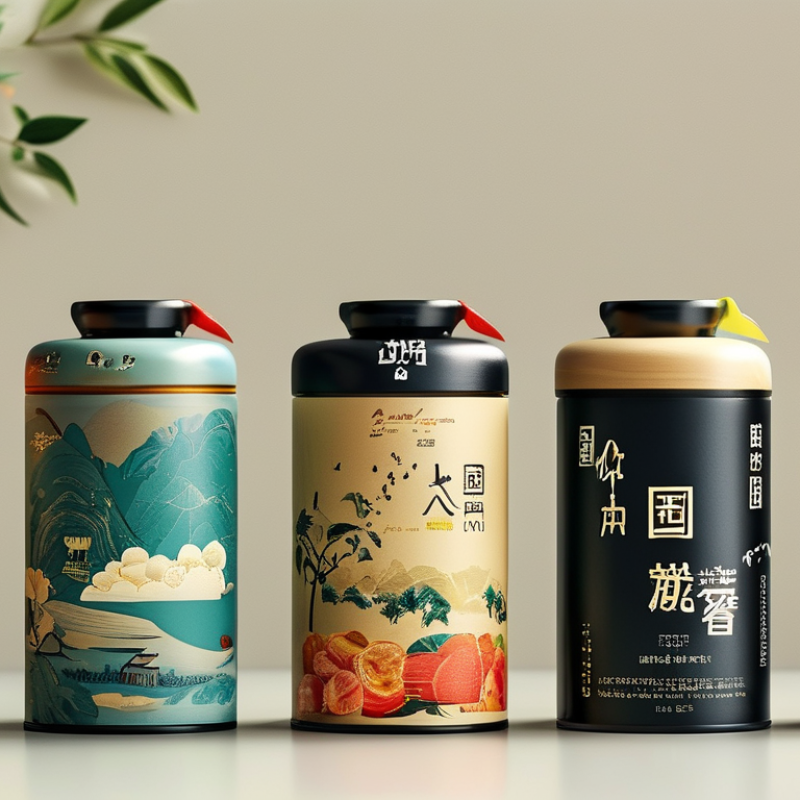
Packaging plays a critical role in product selection. It influences consumer perception and impacts purchasing decisions. Effective packaging not only protects the product but also communicates its value. A well-designed package attracts attention and conveys quality. Shoppers often remember packaging over the product itself.
Consider sustainability when choosing packaging. Many consumers prefer eco-friendly options. Recyclable or biodegradable materials can enhance brand reputation. However, this approach can sometimes increase costs. Balancing environmental concerns with budget constraints is a common challenge.
Moreover, packaging should align with the target market. For luxury items, premium materials convey exclusivity. In contrast, simple solutions may suit budget-friendly products. Understanding your audience is crucial. Sometimes, this requires trial and error. What works for one product may not work for another. Continual reflection on packaging choices leads to better outcomes.
| Packaging Method | Material Type | Advantages | Common Uses |
|---|---|---|---|
| Flexible Packaging | Plastic Film | Lightweight, cost-effective, customizable | Snacks, liquids, powders |
| Rigid Packaging | Plastic, Glass | Durable, protective, reusable | Beverages, cosmetics, pharmaceuticals |
| Cartons | Paperboard | Recyclable, versatile, lightweight | Cereals, frozen foods, pharmaceuticals |
| Blister Packaging | Plastic, Paper | Tamper-proof, visibility, protection | Tablets, consumer electronics |
| Shrink Wrapping | Polyethylene | Secure, cost-effective, moisture-resistant | Food, retail products |
| Pouches | Plastic, Aluminum | Lightweight, resealable, efficient | Snacks, pet food, coffee |
| Tubs and Jars | Plastic, Glass | Reusable, easy opening, attractive | Dairy products, sauces, creams |
| Labels and Stickers | Paper, Plastic | Informative, promotional, decorative | All product types |
| Eco-Friendly Packaging | Biodegradable, Recycled Materials | Sustainable, reduces waste | Organic products, cosmetics |
: Packaging influences consumer perception and affects purchasing decisions. It protects products and communicates their value.
Choose materials based on protection and presentation. For fragile items, use cushioning like bubble wrap or molded pulp.
Many consumers prefer eco-friendly packaging. However, these options can sometimes increase production costs.
Effective design can attract attention and convey quality. Shoppers may remember packaging over the product itself.
Testing identifies flaws before mass production. Real conditions can reveal issues that may not be apparent initially.
Understand your audience's preferences. Experiment with designs, as what works for one product may not suit another.
Less than 30% of packaging waste is recycled in China, raising questions about current recycling effectiveness.
Biodegradable options decompose quickly, reducing landfill waste. However, high production costs limit their adoption.
Companies often struggle to balance eco-friendly materials with budget constraints, leading to difficult decisions.
Reflect on the feedback to identify unforeseen issues. Continuous improvement is key to better packaging outcomes.
When deciding how to choose the right packaging method for your product, it's essential to understand the significant role packaging plays in product selection. The packaging not only protects the product but also influences consumer perception and brand image. In China, various innovative packaging materials are available, each with its unique benefits and aesthetics. Popular materials include paper, plastic, glass, and biodegradable options, catering to diverse consumer preferences and environmental considerations.
The article outlines the top 10 innovative packaging methods designed for consumer products, emphasizing the need for businesses to consider factors such as cost, functionality, and sustainability. As consumers become increasingly eco-conscious, the environmental impact of different packaging options is a crucial consideration in the selection process. Ultimately, an informed choice in packaging can enhance product appeal and contribute positively to brand reputation.

 Switara Packing